
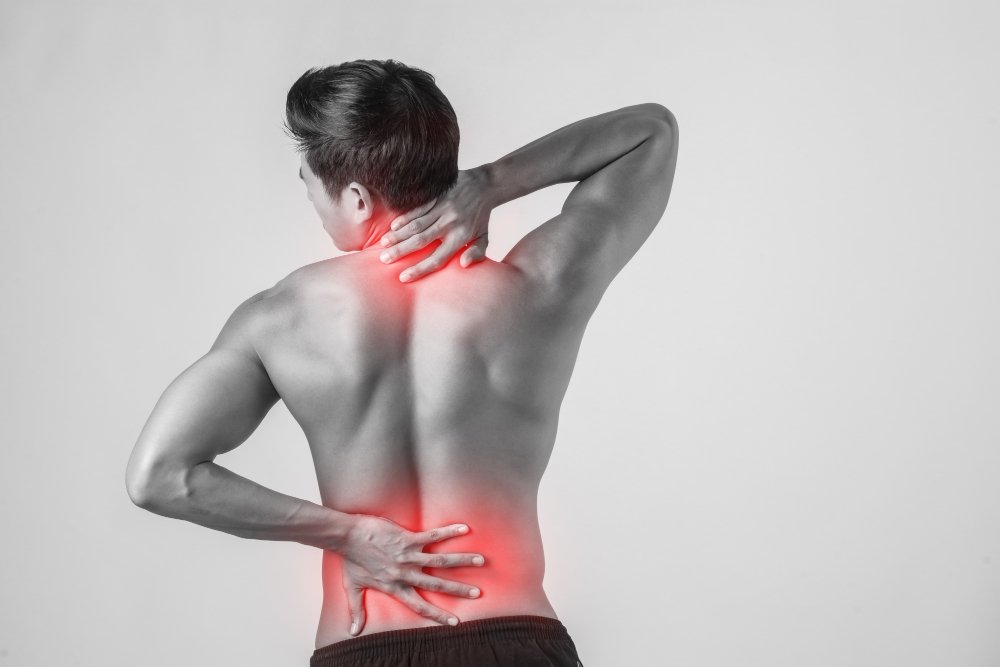
Slipped Disc: Causes, Symptoms, Treatment Options and When to See a Spine Surgeon
What Is a Slipped Disc?
A slipped disc is a common spinal condition that occurs when the soft inner portion of an intervertebral disc pushes through a weakened or damaged outer layer. Medically, this is known as a herniated disc.
The spinal discs act as cushions between the vertebrae, allowing the spine to move while absorbing pressure. When a disc herniates, it may irritate or compress nearby nerves, causing back pain, neck pain, numbness or weakness.
A slipped disc can occur in any part of the spine but is most common in the lower back (lumbar spine) and neck (cervical spine).
The good news is that many slipped discs improve with non-surgical treatment. However, persistent pain or neurological symptoms may require evaluation by a spine specialist.
What Are the Common Symptoms of a Slipped Disc?
Slipped disc symptoms vary depending on the location of the affected disc and whether a nerve is compressed.
Common symptoms include:
- Lower back pain: Pain that may worsen while bending, lifting or sitting for long periods.
- Sciatica: Pain that travels from the lower back through the buttock and down one leg.
- Neck pain: Discomfort or stiffness when the cervical spine is affected.
- Numbness and tingling: A pins-and-needles sensation in the arms, hands, legs or feet.
- Muscle weakness: Difficulty lifting the foot, gripping objects or performing certain movements.
Some people have a herniated disc without experiencing any symptoms. The severity of pain alone does not determine how serious the condition is.
What Causes a Slipped Disc?
A slipped disc can develop due to several factors, including:
- Age-related disc degeneration: As we age, spinal discs gradually lose water content and flexibility, making them more vulnerable to injury.
- Improper lifting techniques: Lifting heavy objects while twisting or bending can place excessive stress on the spine.
- Prolonged sitting: Extended periods of sitting, particularly with poor posture, can aggravate back discomfort.
- Excess body weight: Additional body weight may increase mechanical stress on the lumbar spine.
- Sudden injury: Falls, accidents or strenuous physical activity can sometimes trigger disc herniation.
Not every case of a slipped disc can be attributed to poor posture or a single activity. Often, several factors contribute to its development.
How Is a Slipped Disc Diagnosed?
A spine surgeon typically begins with a detailed medical history and physical examination. This may include assessing muscle strength, reflexes, sensation, walking ability and movements that reproduce symptoms.
An MRI scan may be recommended when symptoms suggest nerve compression, when neurological deficits are present, or when imaging would help guide treatment. X-rays may be used to assess spinal alignment and other bony changes, but they do not directly show a herniated disc.
Imaging findings must be interpreted alongside the patient’s symptoms and examination because disc abnormalities can also occur in people without pain.
What Are the Treatment Options for a Slipped Disc?
Treatment depends on symptom severity, nerve involvement and the patient’s overall health.
1. Medication and Activity Modification
A doctor may recommend appropriate pain-relieving medication and temporary changes to activities that aggravate symptoms. Prolonged bed rest is generally discouraged.
2. Physiotherapy
A structured physiotherapy programme may help improve mobility, strengthen supporting muscles and restore function. Exercises should be selected according to the patient’s symptoms and physical assessment.
3. Selected Injection Procedures
In certain cases, an epidural steroid injection may provide short-term relief from pain caused by an irritated spinal nerve. It does not physically repair the disc.
4. Slipped Disc Surgery
Surgery may be considered when symptoms persist despite appropriate conservative treatment, or when significant neurological problems require intervention.
Procedures such as a discectomy or microdiscectomy aim to remove the portion of disc material compressing a nerve. The most suitable procedure depends on the location and nature of the problem.
Seek emergency medical attention if you develop new difficulty passing urine, loss of bladder or bowel control, numbness around the groin or saddle region, or rapidly worsening leg weakness. These symptoms can indicate serious nerve compression.
When Should You Consult a Spine Surgeon?
Consider a spine consultation if your back or neck pain persists, pain radiates into an arm or leg, numbness develops, or weakness interferes with everyday activities.
Early assessment can help identify the cause of symptoms and determine whether non-surgical treatment is appropriate.
Frequently Asked Questions
Can a slipped disc heal without surgery?
Yes. Many people improve with conservative treatment, and some herniated discs gradually shrink over time. The appropriate approach depends on symptoms and examination findings.
How long does it take to recover from a slipped disc?
Recovery varies. Some people improve within a few weeks, while others need several months of treatment and rehabilitation.
Is walking good for a slipped disc?
Gentle walking may help maintain mobility if it does not worsen symptoms. Activity should be adjusted to individual tolerance and medical advice.
Does every slipped disc require surgery?
No. Surgery is generally reserved for selected cases based on persistent symptoms, neurological findings and other clinical factors.
Conclusion
A slipped disc does not automatically mean you need surgery. Understanding the symptoms, obtaining an accurate diagnosis and choosing an appropriate treatment plan are essential to recovery.
If you experience persistent back pain, radiating leg pain or numbness, consult a qualified spine specialist for an individual assessment.