
Menu
Close
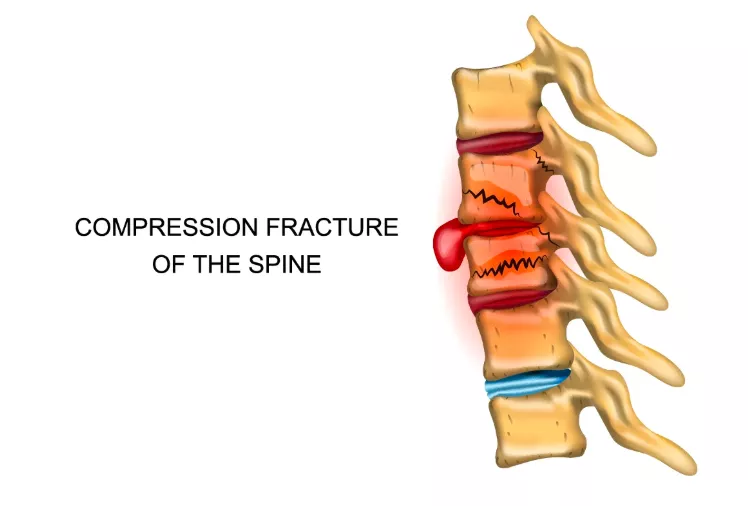
A spine fracture is a break or crack in one or more bones of the spine. It can happen in the neck, mid back or lower back. In young and healthy people, spine fractures usually happen due to high force injuries like road accidents, falls from height or sports. In elderly people with weak bones due to osteoporosis, even a small fall or lifting something heavy can cause a spine fracture. Fractures can also happen when a tumour or infection weakens the spine bone.
Some spine fractures are stable and heal with rest and a brace, while others can make the spine unstable or press on the spinal cord and nerves, causing weakness or paralysis. This is why every spine injury needs quick and careful assessment. During his training at TNMC & Nair Hospital, Mumbai, Dr. Tanmay Avhad managed a large number of spine trauma cases and has published research on cost effective fixation of spine fracture dislocation with spinal cord injury. At SpineArc, he treats spine fractures with the right plan for each patient, including minimally invasive fixation through small cuts when surgery is needed.
The symptoms of a spine fracture depend on where it is and how severe it is. Common symptoms include:


Spine fractures can happen due to injury or weakness in the spine bones. Some of the most common causes are:
To treat a spine fracture the right way, the type of fracture, spine stability and nerve involvement must be assessed quickly. At SpineArc, diagnosis and treatment follow a step by step approach:
Some people are more likely to get a spine fracture. Knowing these factors can help you take early care:
Riding without a helmet, not wearing seat belts and working at height without safety gear.
Women after menopause and elderly people with weak bones.
Poor balance, weak muscles and slippery floors increase fall risk in the elderly.
Tumours and infections like TB can weaken the spine bones.
Steroids taken for a long time can thin the bones.
Get the right diagnosis and advanced spine fracture treatment in Mumbai from Dr. Tanmay Avhad at 4 hospitals across the city. Available 6 days a week, book your consultation today.
Everything you need to know about spine fracture treatment in Mumbai, answered simply by Dr. Tanmay Avhad.
Do not move the person unless there is danger. Keep the head, neck and back in a straight line and call for emergency help. Moving them wrongly can worsen spinal cord injury.
No. Many stable fractures heal with pain medicines, rest and a brace. Surgery is needed when the fracture is unstable, the spine bone has collapsed a lot, or there is pressure on the spinal cord or nerves.
It is a surgery where screws and rods are placed through small cuts under image guidance to hold the fractured spine in place. It causes less blood loss, less pain and allows faster recovery than open surgery.
Most spine fractures take about 8 to 12 weeks to heal, depending on the type of fracture, bone strength and the treatment used.
Yes. In elderly people with osteoporosis, even a minor fall, lifting or coughing can cause a spine fracture. Any new back pain after a fall should be checked.
You can call +91 79779 26003 or +91 99203 97922, send a WhatsApp message, or fill the form on this website. Our team will call you to confirm your time and hospital.
Dr. Tanmay consults at 6 hospitals in Mumbai:
SpineArc is the spine practice of
Dr. Tanmay Avhad, a Gold Medalist Orthopaedic Spine Surgeon in Mumbai. The practice focuses on advanced, precise and minimally invasive spine care, from image-guided pain procedures to uniportal full endoscopic spine surgery, with the right treatment chosen for every patient.
Designed & Developed by DigiScrub
© SpineArc 2026 | All Rights Reserved